

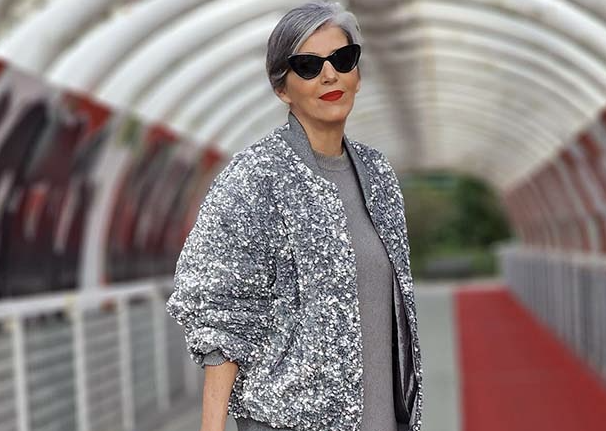
Winter fashion is often associated with heavy layers and practical clothing, but that does not mean style has to disappear during the colder months. Many people assume that looking fashionable in winter requires an entirely new wardrobe every year. In reality, elegant winter outfits often come from simple styling choices and thoughtful combinations of clothing that people already own. Classic winter pieces such as coats, sweaters, boots, and scarves have remained popular for decades because they balance comfort and style.
A well-planned winter wardrobe focuses on versatility. Instead of following short-lived trends, many fashion enthusiasts now prefer timeless items that can be worn in multiple ways. When basic clothing is styled properly, it can create outfits that feel modern, polished, and comfortable at the same time. Understanding how to combine layers, colors, and textures is often the key to achieving a stylish winter appearance without overcomplicating the process.
Winter fashion is also about confidence and practicality. Cold weather requires clothing that protects against low temperatures, but the right styling can still make outfits look refined and attractive. Small details such as a neatly fitted coat, coordinated colors, or carefully chosen accessories can transform a simple outfit into something that looks intentionally designed.
By focusing on a few simple styling ideas, anyone can maintain an elegant appearance throughout the winter season. Whether dressing for everyday activities, work, or social gatherings, winter clothing can remain stylish while still providing warmth and comfort.
Layering That Creates a Balanced Outfit
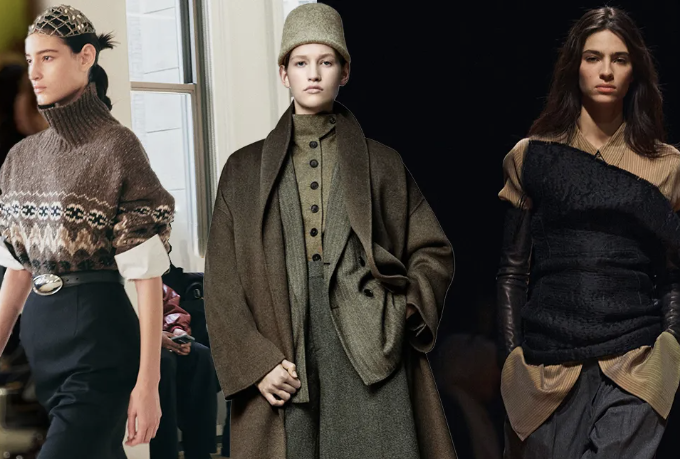
Layering is one of the most important elements of winter fashion. It allows people to stay warm while also adding depth and interest to an outfit. Instead of wearing one heavy piece of clothing, combining several lighter layers often creates a more balanced and stylish appearance.
A common layering technique begins with a simple base layer such as a fitted shirt or lightweight sweater. This layer provides comfort and warmth without adding bulk. On top of this base, a thicker sweater or cardigan can add texture and structure to the outfit. The final layer is usually a coat or jacket that protects against the cold while completing the overall look.
The key to effective layering is proportion. Each layer should complement the others rather than compete for attention. For example, a long coat paired with a shorter sweater creates visual balance, while a scarf can fill the space around the neckline without overwhelming the outfit. When layering is done carefully, it creates outfits that feel comfortable, practical, and stylish at the same time.
Layering also allows for flexibility throughout the day. As temperatures change, outer layers can be removed while the rest of the outfit still looks coordinated. This adaptability makes layering both a fashionable and practical choice during winter months.
Choosing Colors That Work Together
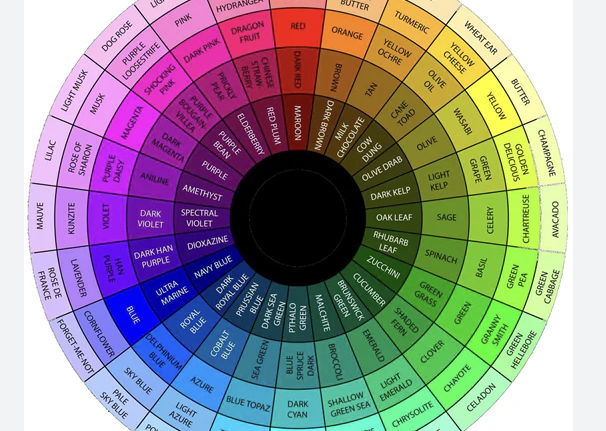
Color coordination plays a major role in winter style. Many winter wardrobes rely on neutral shades such as black, grey, beige, and navy because these colors are easy to combine and always appear refined. Neutral tones create a calm and sophisticated look that works well for both casual and formal settings.
However, winter fashion does not have to be limited to neutral shades alone. Adding a deeper accent color can bring life to an otherwise simple outfit. Colors like burgundy, forest green, deep blue, or rust often appear during winter collections because they complement the season’s darker tones. These colors add interest while still maintaining a warm and elegant appearance.
The secret to successful color combinations is balance. One strong color usually works best when paired with several neutral pieces. For example, a burgundy sweater can stand out beautifully when worn with black trousers and a grey coat. This approach keeps the outfit visually interesting without becoming overwhelming.
When colors are chosen thoughtfully, even simple clothing pieces can appear stylish. Coordinated shades create harmony within an outfit, making winter fashion look polished and intentional rather than random.
Using Texture to Add Depth to Clothing
Texture is another important detail that can elevate winter outfits. Cold weather naturally introduces fabrics that have visible texture, such as wool, knitwear, suede, and leather. When these materials are combined, they create outfits that look richer and more visually appealing.
For instance, a chunky knit sweater paired with smooth leather boots creates contrast that draws attention without appearing too dramatic. Similarly, a wool coat worn over denim jeans adds depth to the overall look. These subtle differences in fabric texture help clothing feel more dynamic and interesting.
Scarves and accessories also contribute to texture. A soft knitted scarf or a ribbed beanie can introduce another layer of detail while maintaining warmth. Even small elements like patterned gloves or textured handbags can enhance the overall outfit.
Fashion often focuses heavily on color and shape, but texture quietly plays a powerful role in styling. By mixing fabrics thoughtfully, winter clothing can appear far more sophisticated without requiring complicated outfit combinations.
Accessories That Complete the Look
Accessories are often the finishing touch that brings an outfit together. During winter, accessories are not only decorative but also functional. Items such as scarves, gloves, hats, and belts provide warmth while also adding personality to an outfit.
Scarves are one of the most versatile winter accessories. They can introduce color, texture, or pattern while keeping the neck warm. A long scarf draped over a coat creates a relaxed and elegant appearance, while a neatly wrapped scarf feels more structured and refined.
Hats and gloves also contribute to overall style. A classic wool hat can complement both casual and formal outfits, while leather gloves add a polished detail. Belts can also be used creatively, especially when worn over longer coats or oversized sweaters to define the silhouette.
The right accessories do not need to be excessive. Often, one or two carefully chosen pieces are enough to elevate an entire outfit. When accessories match the colors and textures of the clothing, they create a sense of unity that makes the outfit feel complete.
Conclusion
Winter fashion does not have to be complicated or expensive to look elegant. In many cases, the most stylish outfits come from simple combinations of familiar clothing pieces. By focusing on layering, color coordination, texture, and carefully chosen accessories, anyone can create winter outfits that feel both comfortable and fashionable.
The beauty of winter style lies in its practicality. Clothing designed for warmth naturally offers opportunities for creative layering and texture combinations. With a thoughtful approach, even the simplest wardrobe can produce a variety of stylish looks suitable for everyday life.
Ultimately, elegant winter fashion is about balance. It blends comfort with style, practicality with creativity, and simplicity with thoughtful details. When these elements come together, winter clothing becomes more than just protection against the cold. It becomes a way to express personal style while staying warm throughout the season.
