
Eco-friendly fashion how to dress ethically and sustainably
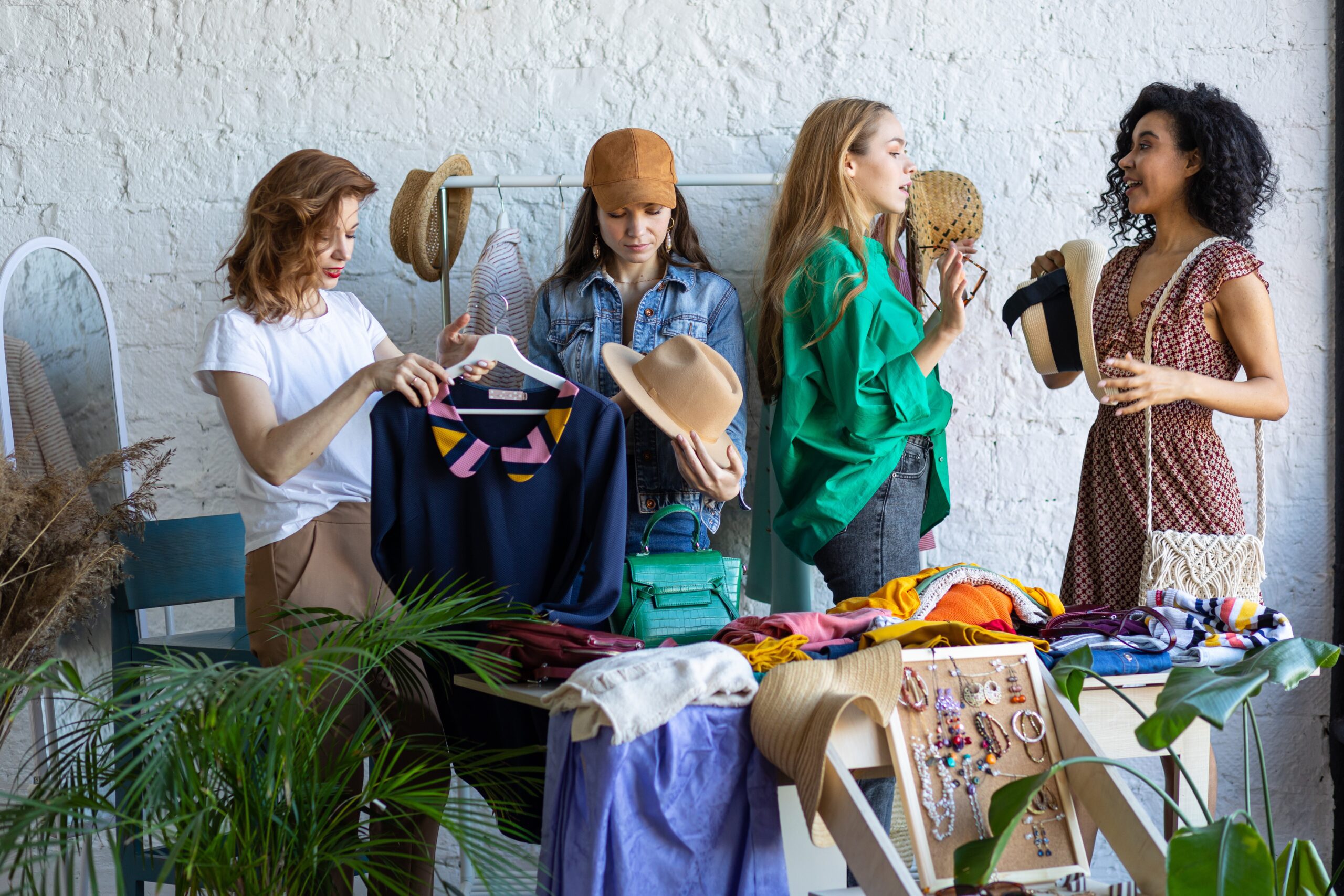
Knowing that the fashion industry is one of the most polluting in the world and that our consumption habits are at the root of a scourge for the planet and for humanity gives us pause for thought. While governments dither over measures to curb global warming and reduce emissions for all countries, without ever reaching any real decisions, on our own small scale, it is crucial to take concrete action. And this is perfectly possible. In everyday life, small actions taken by each of us can make a big difference. Dressing in a way that makes you feel good about yourself, that is fashionable, but above all, that respects your convictions, involves making eco-responsible clothing choices. Discover 5 tips to help you dress ethically and sustainably.
Why adopt eco-responsible fashion?
The figures concerning the fashion industry are chilling. Indeed, with 1.2 billion tons of CO2 * emitted each year for clothing production, the sector is the second most polluting after the oil industry. This represents 2% of total greenhouse gas emissions *. Water is also a problem, as each garment requires an astronomical quantity during the manufacturing process. In this respect, fashion is the third largest consumer of this precious resource. Finally, without getting bogged down in statistics, the fashion industry uses toxic materials, nitrogen fertilizers, solvents, pesticides, microplastics… All these materials have an impact on the environment, but also on human health. In fact, in addition to polluting, the textile industry is dangerous.
The issue of transportation must also be considered . Indeed, from production to store shelves, a garment can travel hundreds of kilometers. This has a significant impact on its carbon footprint . Nd we mustn’t forget the textile waste generated by overconsumption . This hidden waste explains why adopting more eco-responsible behavior is becoming increasingly urgent!
The reality of fast fashion
If we were to list all the brands profiting from consumers’ craze for fashion, we’d never finish. Indeed, “fast fashion” is a sad reality. Everyone is chasing after the latest collections, and clothes are bought in bulk. Meanwhile, brands are constantly mass-producing, trying to minimize costs. This frenzy is, in fact, what led to the collapse of Rana Plaza in Bangladesh in April 2013.
A catastrophe that claimed over 1,135 lives and left more than 2,500 injured. It also exposed the appalling working conditions of thousands of garment workers on the other side of the world, employed by Western clothing brands. The silver lining of this tragedy is that it has raised awareness and given a boost to ethical fashion. Things are beginning to change, and brands are committing to producing better and more sustainably.
How to adopt ethical and more sustainable fashion?
Changing your fashion habits has become incredibly easy. Fashion is becoming more humane. Ethical fashion encompasses several aspects, and to navigate it, you need to know how to decipher clothing labels. Dressing responsibly takes into account the materials and their environmental impact, the quality of the garments —that is, their durability, their origin, and also the working conditions of the people who make them. Here are some tips for adopting an eco-responsible style in your wardrobe.
Discover and shop at ethical brands
The face of the clothing industry is changing for the better. While organic products have become essential in our eating habits, ethics and responsibility are becoming indispensable in our wardrobes. Many brands now offer the opportunity to adopt a trendy and eco-friendly style, as well as zero-waste options, with high-quality clothing. This is the case, for example, with the brand Angarde Shoes, which uses recycled materials from its shoes to produce new ones. It collects old models and makes circularity a constant commitment. Angarde Shoes offers a wide selection of sneakers, espadrilles, men’s slippers, and mules.
Other brands are also making a difference with organic or vegan clothing and shoes, such as Veja . This French brand makes eco-friendly sneakers from plant-based leather and organic cotton. Armedangels, which creates clothing from recycled and eco-responsible materials, is another example. Among others, Izard des Pyrénées produces clothing using short supply chains with local partners and with respect for animal welfare.
Turning our backs on fast fashion and embracing slow fashion
Consuming less but consuming better means eliminating waste. So, you need to start reducing your clothing purchases now. Most of the time, we buy clothes without really needing them. They end up being worn once or twice and then forgotten at the back of the closet. By consuming more responsibly, you can make your style a form of self-expression. Think about your purchases and buy secondhand clothes and accessories that are just as fashionable. Thrift stores and clothing swaps have never been as popular as they have been in recent years. This decision, in addition to being good for your wallet, will also benefit the planet.
Prioritize products made in France.
Simply to support the work of our artisans, choosing products made in France is an excellent initiative. And if that’s not enough to convince you, consider that prioritizing clothing made in France can drastically impact your environmental footprint. Indeed, it has a direct impact on the transportation of goods, which is responsible for greenhouse gas emissions. France has a reputation as a country of fashion and elegance. So why look elsewhere for what’s right here at home?
Taking care of your wardrobe
When was the last time you took a deep dive into your closet? There are undoubtedly a lot of clothes you no longer wear that could make someone else very happy. Sorting through them is the best way to take stock of what you own and what you actually need. These days, it’s possible to give those clothes you no longer wear a second life. You can, for example, sell them on one of the many websites that offer online shopping. It’s also possible to swap them, rent them, or donate them. These innovative and more responsible initiatives are real ways to save money
You also need to learn how to take care of your clothes . Why throw away an item of clothing because of a popped button? Or relegate it to oblivion because of a snag or a small stain? With a little ingenuity, all these minor problems can be easily solved.
DIY clothing recycling
For the more creative among you, DIY (Do It Yourself) is a trend that will delight you. It’s possible to transform old clothes into new pieces. Pants become trendy shorts. A skirt can be worn as a top. A dress can be given a new cut. With your own two hands and a little imagination, you can create your own style, make money, and, most importantly, help the environment. Thousands of websites and tutorials online allow you to create amazing things with almost nothing. You can refresh your wardrobe whenever you want, without spending a single penny.