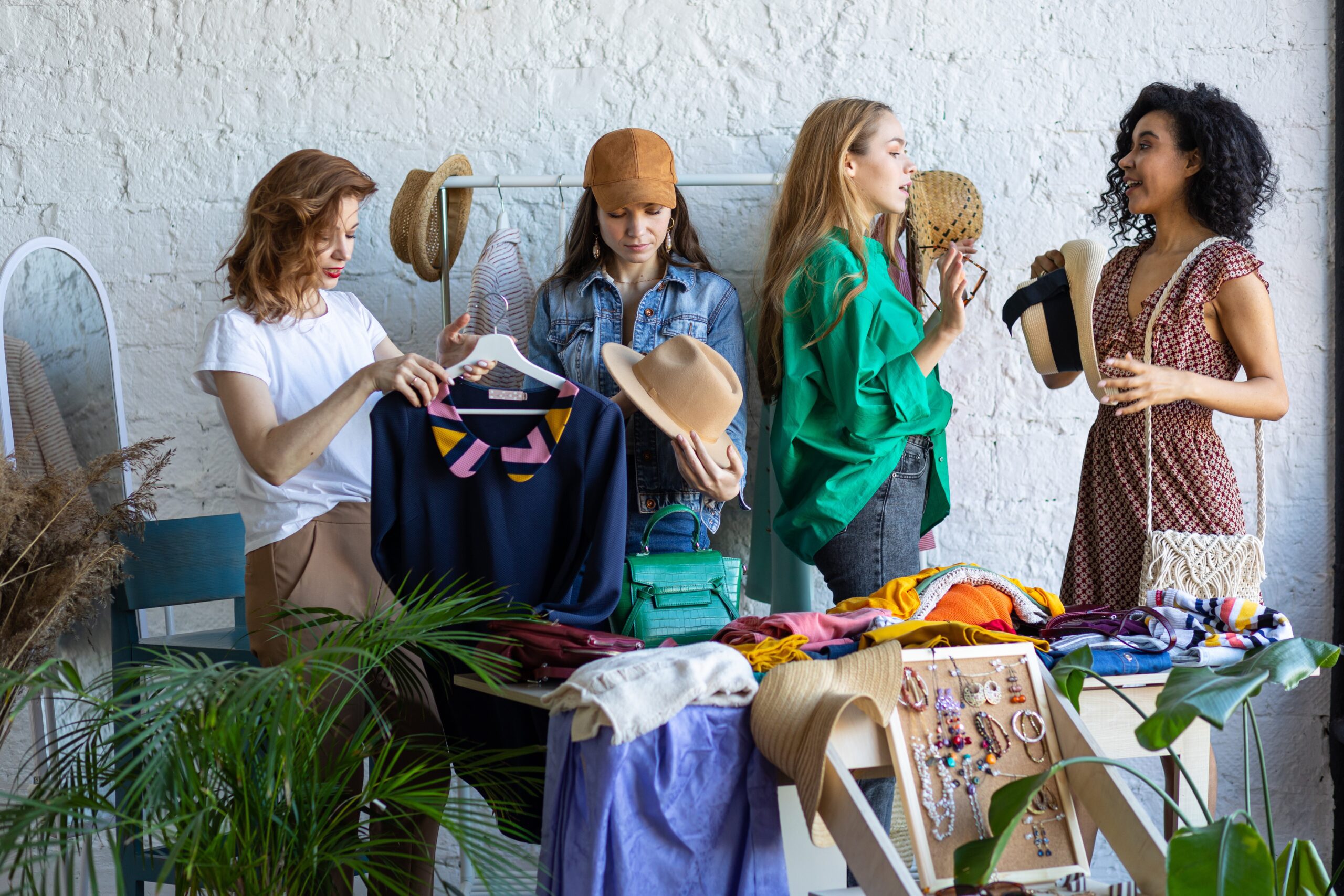
Discovering eco-friendly fashion an essential guide for beginners

Introduction to eco-responsible fashion
Eco-responsible fashion is first and foremost an approach that combines style and sustainability. It aims to design clothing that respects the environment, workers’ rights, and promotes more conscious consumption. At the heart of this trend, sustainability plays a crucial role. It encourages the fashion industry to rethink its production methods by adopting practices that are more respectful of our planet.
The fashion industry’s shift towards sustainable practices is manifested by a profound transformation of industrial processes. There is a growing trend towards the use of recycled materials, a reduction in textile waste, and a limitation of the resources required for production. These changes aim to minimize the environmental footprint left by one of the world’s most polluting industries.
Read also: Essential Tips for Deciphering and Adopting Eco-Responsible Fashion
This introduction to eco-responsible fashion highlights the importance of such adjustments to ensure a future where style and environmental responsibility go hand in hand. Fashion stakeholders, from designers to consumers, are encouraged to actively engage in this necessary transition.
Key principles of sustainable fashion
Sustainable fashion is based on several essential principles aimed at reducing environmental damage. Understanding the environmental impacts of the industry is crucial. Indeed, textile production uses large quantities of water and chemicals, contributing to water and soil pollution.
In the same vein: Boost Your Immunity with These Essential Superfoods
To mitigate these effects, responsible consumption is necessary. This involves making informed choices, such as favoring sustainable materials. Alternatives like organic cotton, linen, or recycled fibers reduce the use of limited natural resources.
Next, understanding the different types of sustainable materials can guide more environmentally friendly choices. For example, Tencel, produced from wood pulp, is biodegradable and requires little water.
Therefore, adopting these principles not only reduces one’s environmental impact but also supports a more ethical industry. Consumers and producers must collaborate to foster the emergence of greener fashion. Everyone can thus contribute to a more sustainable future by making conscious choices.
How ethical are clothing fairs
Adopting an environmentally conscious style of dress requires a thorough understanding of ethical clothing and the brands that offer it. Eco-responsible brands strive to reduce their impact on the planet while respecting workers’ rights. Examining sustainability labels is essential for identifying these brands, ensuring that a product meets strict environmental standards.
Identifying ethical brands
To identify ethical brands, it’s crucial to examine their practices and commitments to the environment and fair trade. Looking for certifications and testimonials about their transparency will guide your choices.
The importance of environmental certifications
Eco-certifications are essential for authenticating brands’ commitment to sustainability. Various labels exist, each verifying specific criteria regarding sustainability and ethical production.
Examples of eco-responsible brands
Iconic brands like Patagonia and Ekyog exemplify an ethical ideal. They integrate sustainable practices from the manufacturing stage. Their public policies offer models of inspiration for other brands. By exploring these labels, consumers can dress while remaining true to their ecological values.
Practical tips for sustainable shopping
To embrace sustainable shopping, it’s essential to consider several fashion tips that will guide you toward responsible and environmentally friendly purchases. First and foremost, ask yourself about your actual needs before making a purchase. This helps reduce impulse buys and allows you to focus on pieces that truly complement your wardrobe.
Next, prioritize secondhand clothing . By exploring thrift stores or specialized online platforms, you’ll help reduce the production of new clothes and thus limit your carbon footprint. Recycling and reusing existing clothing are concrete steps towards sustainability.
Finally, when buying new, check the labels and look for sustainable materials, such as organic cotton or linen. Pay attention to brands that demonstrate a commitment to sustainability . These are often brands that emphasize transparency in their processes and ethical management. Adopting these practices will guide you toward a more responsible lifestyle.
Create an eco-friendly wardrobe
Adopting an eco-friendly wardrobe requires some introspection regarding your clothing needs. Start by assessing your current wardrobe. Identify the pieces you want to keep or donate. This will help you reduce excess and prioritize the clothes you actually wear. This initial assessment is a step towards a sustainable style .Integrationfof essential, durable parts
To incorporate sustainable wardrobe essentials, look for versatile clothing made from eco-friendly materials. Basic pieces, like a classic organic cotton T-shirt or a linen jacket, can be combined in many ways while minimizing environmental impact. This encourages extended and frequent use, reducing the need for new purchases.
Adoption of the minimalist style
Minimalism in fashion means focusing on quality rather than quantity. It’s a philosophy that promotes conscious clothing purchases. By choosing essential pieces that mix and match easily, you can create a functional and eco –eco-friendlyrobe. This minimalist approach helps you maintain a simple yet stylish lifestyle.
The social implications of eco-responsible fashion
Fast fashion has a significant social impact, often to the detriment of workers. Working conditions in this industry frequently violate fundamental rights, and wages are inadequate. Fair trade emerges as a major alternative, guaranteeing workers decent conditions and fair compensation, while promoting ethical practices.
To support workers’ rights, it is essential to choose socially responsible brands. Here are some criteria for selecting these brands:
- Transparency: Favor companies that openly share their manufacturing practices and the working conditions they offer.
- Fair trade certifications. Look for labels like “Fair Trade” which ensure compliance with ethical standards.
- Social commitment: Opt for brands that support social programs and help improve the well-being of communities.
By making conscious choices, each consumer can positively influence the industry. An ethical approach not only reinforces the importance of respecting workers’ rights but also encourages the entire industry to adopt practices more focused on social welfare.
Conclusion and practical application
Adopting sustainable lifestyles in fashion relies on the active engagement of both consumers and brands. Every individual has the potential to contribute to positive change by adopting eco-responsible practices in their daily lives. But how can this personal commitment truly manifest itself in the world of eco-fashion?
By choosing sustainable clothing and favoring transparent brands, we promote environmentally conscious fashion. Incorporating practices such as recycling, reusing, and minimalism into our wardrobes reinforces this commitment. Every purchasing decision then becomes an ethical practice, fostering the development of more sustainable industrial practices.
To support this transition, various resources are available. Information platforms and apps help identify committed brands. Cultivating a genuine understanding of the environmental and social issues surrounding eco-responsible fashion can encourage everyone to deepen their knowledge. This, in turn, allows us to live in accordance with the values of sustainability and responsibility.